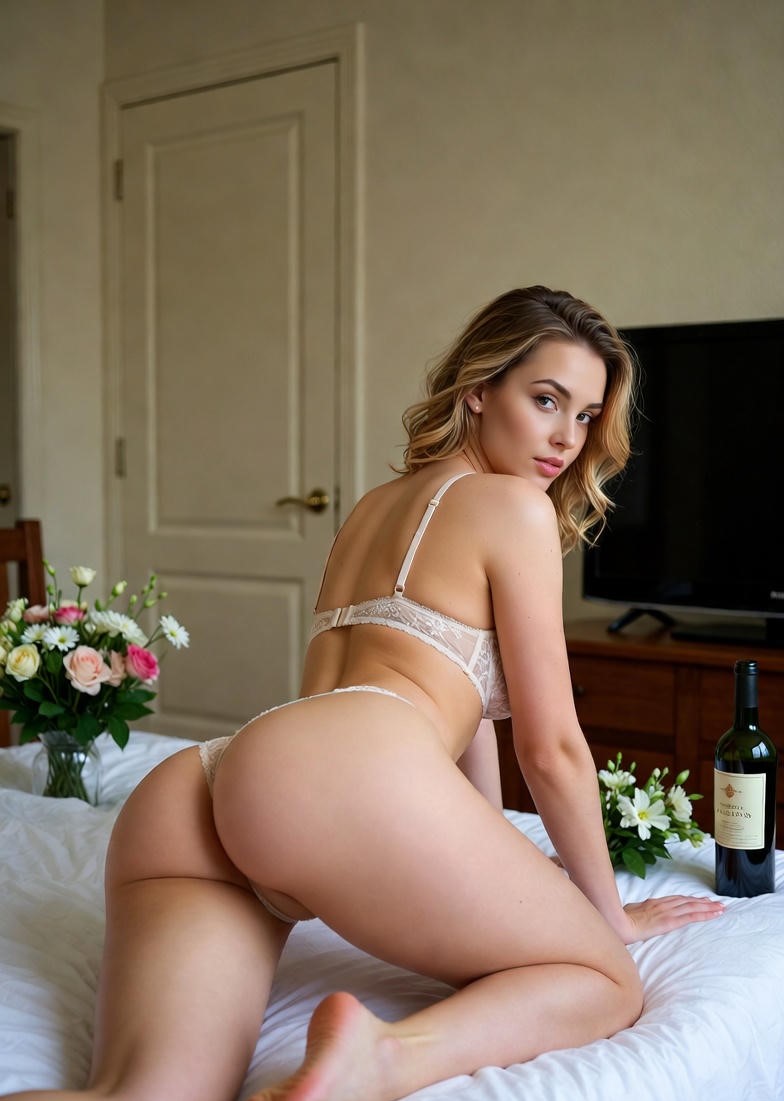
In an era where artificial intelligence photography and generative AI art are transforming digital creativity‚ AI-powered tools have opened new frontiers for artists‚ photographers‚ and content creators. Among these innovations‚ AI sensual photo generators stand out as a powerful yet controversial AI-powered creative tool that blends technology with artistic expression. For users in the USA‚ these tools offer exciting possibilities for AI-assisted photography‚ synthetic image generation‚ and digital art creation software—but they also raise important questions about ethics‚ consent‚ and responsible AI usage.
Understanding AI Sensual Photo Generators
AI sensual photo generators leverage advanced technologies like deep learning visuals‚ neural network image synthesis‚ and generative adversarial networks (GANs) to create hyper-realistic or stylized images based on user prompts. These tools are part of a broader movement in AI-generated portrait tools and photorealistic AI models‚ where algorithms analyze vast datasets of images to generate new visuals that mimic or enhance real-life scenes.
The appeal of these tools lies in their ability to produce AI-generated portrait variations‚ AI-powered portrait retouching‚ and even AI-generated celebrity likenesses with remarkable detail. For photographers‚ designers‚ and marketers in the USA‚ this means faster production of AI-generated lifestyle imagery‚ AI-assisted fashion photography‚ and synthetic media for advertising—all while exploring new creative boundaries.
How AI Sensual Photo Generators Work
These tools typically operate through a few key steps:
- Prompt Input: Users provide detailed descriptions of the desired image‚ including style‚ mood‚ lighting‚ and subject matter. For example‚ a prompt might describe a “sunlit beach scene with a model in a flowing dress‚ soft lighting‚ and a dreamy aesthetic.”
- AI Processing: The tool uses computer vision-based imaging and deep learning in visual arts to interpret the prompt and generate multiple image variations. This involves training on large datasets to understand composition‚ lighting‚ and human anatomy.
- Refinement & Customization: Users can adjust parameters like resolution‚ background style‚ or pose to fine-tune the output. Some platforms also offer AI-powered visual content personalization to match brand guidelines or artistic preferences.
- Output & Export: The final image is generated in high resolution‚ ready for use in digital marketing‚ social media‚ or personal projects.
Applications in the USA
AI sensual photo generators are gaining traction across various industries in the USA‚ including:
- Digital Marketing & Advertising: Brands use AI-generated stock photos and synthetic media in advertising to create eye-catching visuals for campaigns‚ social media‚ and e-commerce. Tools like these enable rapid production of AI-powered marketing visuals without the need for expensive photoshoots.
- Fashion & Beauty: Designers and photographers leverage AI-generated fashion illustrations and AI-assisted fashion photography to conceptualize collections‚ mood boards‚ and runway looks. These tools also assist in AI-generated beauty filters and virtual try-on experiences for retail platforms.
- Social Media & Influencer Content: Influencers and content creators use generative AI for social media to produce engaging AI-generated lifestyle content and AI-powered mood-based imagery. This includes creating custom avatars‚ fantasy scenes‚ or themed visuals that align with their brand.
- Entertainment & Filmmaking: In the entertainment industry‚ synthetic media in filmmaking and AI-generated animated portraits are used for concept art‚ character designs‚ and even deepfake creation (with ethical considerations). Studios explore AI-generated fantasy art and AI-powered visual storytelling to enhance storytelling.
- Personal & Artistic Projects: Artists and hobbyists use these tools for AI art and digital rights exploration‚ creating AI-generated abstract art‚ AI-generated fantasy scenes‚ or even AI-generated historical imagery for personal collections or exhibitions.
Ethical Considerations: Navigating AI Sensual Content
While AI sensual photo generators offer incredible creative potential‚ they also introduce complex ethical concerns in AI art that users in the USA—and globally—must address. Key considerations include:
Ethical AI Art Guidelines: Responsible use of AI tools requires transparency‚ consent‚ and respect for privacy. Here’s how to navigate these challenges:
Consent & Representation
One of the most pressing issues in AI-generated adult content and AI-generated erotic art is the lack of consent. Unlike traditional photography‚ AI-generated images can depict individuals without their knowledge or permission‚ raising concerns about digital privacy in AI imagery and synthetic media and consent.
To mitigate this:
- Use tools that allow for AI art and consent frameworks‚ such as platforms that require explicit user prompts or prohibit the generation of non-consensual content.
- Avoid creating or sharing images that could be used to exploit or misrepresent individuals without their consent.
- Consider using AI-generated fantasy art or AI-generated abstract art that does not depict real people‚ focusing instead on stylized or imaginary subjects.
Deepfakes & Misuse
The capability to generate AI-generated celebrity likenesses and AI-generated celebrity deepfakes blurs the line between creativity and deception. Deepfakes can be used maliciously for impersonation‚ fraud‚ or spreading misinformation‚ which is why AI art and deepfake detection is a growing concern.
Best practices include:
- Disclosing when AI-generated content is used in marketing‚ media‚ or social contexts to maintain AI art authenticity.
- Avoiding the creation of AI-generated adult content or AI-generated erotic art that could be used for non-consensual purposes.
- Staying informed about AI deepfake legislation and synthetic media regulations to ensure compliance with local and federal laws in the USA.
Copyright & Intellectual Property
The intersection of AI art and copyright law is still evolving. While AI tools generate content based on existing datasets‚ questions arise about ownership‚ fair use‚ and the rights of the individuals depicted in training data. Some platforms attempt to address this through AI art and fair use policies‚ but users should be cautious about potential legal risks.
Key takeaways:
- Assume that AI-generated images may not carry the same copyright protections as traditionally created works.
- Use AI tools for original‚ non-literal recreations rather than copying existing works without permission.
- Consult legal experts if using AI-generated content in commercial projects to avoid AI art and intellectual property disputes.
Bias & Representation
AI models trained on biased or unrepresentative datasets can perpetuate stereotypes or misrepresent cultural identities. For example‚ AI-generated celebrity portraits or AI-generated fashion illustrations might inadvertently reinforce narrow beauty standards or cultural biases.
To promote AI art and cultural representation:
- Choose tools that prioritize diverse training datasets and algorithmic fairness.
- Avoid perpetuating harmful stereotypes in AI-generated content.
- Encourage the development of AI art and bias mitigation technologies to ensure more inclusive outputs.
Digital Ethics & Transparency
Transparency about AI-generated content is crucial for maintaining trust. Whether in AI-generated stock photos‚ synthetic media in digital marketing‚ or AI-powered visual content‚ users should clearly label AI-created images to avoid misleading audiences.
Adopt these practices:
- Use watermarks or disclaimers to indicate when images are AI-generated.
- Educate yourself and others about synthetic media ethics and AI art and digital ethics.
- Support platforms that prioritize responsible AI and ethical AI guidelines.
Choosing the Right AI Sensual Photo Generator
Not all AI tools are created equal‚ especially when it comes to ethical and creative standards. For users in the USA‚ selecting a reputable platform involves considering several factors:
Ethical Policies & Moderation
Look for tools that implement AI image moderation and AI content creation platforms with clear policies against non-consensual content. Some platforms use AI-powered visual content moderation to filter out inappropriate or harmful imagery.
Customization & Control
Ideal tools offer granular control over prompts‚ allowing users to specify details like style‚ lighting‚ and subject matter. This ensures that the output aligns with creative intent and ethical boundaries. For example‚ some tools let users generate AI-generated portrait variations without depicting real individuals.
Transparency & Attribution
Transparency is key. Users should be able to track the origin of AI-generated images and understand how the tool operates. Platforms that provide AI art authenticity features or allow users to review training data can build trust.
User Reviews & Reputation
Researching user reviews and community feedback can help identify tools with strong ethical reputations. Platforms that prioritize AI art market trends focused on creativity over exploitation are often more reliable.
Compliance with Laws
Ensure the tool complies with synthetic media regulations in the USA‚ such as those related to deepfakes‚ privacy‚ and intellectual property. Some states have specific laws governing AI-generated content‚ so familiarity with local regulations is essential.
Creative Possibilities: Exploring AI Sensual Photography
For those who use AI sensual photo generators responsibly‚ the creative potential is vast. Here are some innovative ways to explore this technology:
Concept Art & Mood Boards
AI tools can quickly generate AI-powered mood board creation for fashion designers‚ interior designers‚ or marketers. For example‚ creating a AI-generated interior design visuals or AI-generated fashion concepts allows for rapid iteration and experimentation with styles and themes.
Fantasy & Abstract Art
Artists can use AI-generated fantasy art to create surreal landscapes‚ mythical creatures‚ or abstract compositions. These tools excel at AI-generated fantasy scenes and AI-generated abstract art‚ offering endless possibilities for digital art galleries and personal projects.
Personalized Marketing & Branding
Businesses can leverage AI-generated stock photos and synthetic media for advertising to create tailored visuals for campaigns. For instance‚ generating AI-generated product photography or AI-generated travel advertisements can enhance marketing materials without the need for physical photoshoots.
Educational & Historical Recreations
Educators and historians can use AI-generated historical imagery to recreate past eras or events. While this should be done with historical accuracy and respect‚ it can be a powerful tool for AI-generated historical reenactments in documentaries or educational content.
Interactive & Immersive Experiences
Developers and artists can integrate AI-generated imagery into synthetic media in virtual reality‚ AI-generated animated portraits‚ or interactive storytelling platforms. This opens doors for AI-generated virtual influencers and synthetic media in gaming.
Getting Started: A Step-by-Step Guide
Ready to explore AI sensual photo generators? Here’s how to get started responsibly and creatively:
- Research Platforms: Choose a tool with a strong reputation for ethics and creativity. Look for platforms that emphasize AI art and ethical AI guidelines.
- Familiarize Yourself with Prompts: Experiment with detailed prompts to guide the AI; For example‚ describe a scene with specific lighting‚ colors‚ and moods to achieve desired results.
- Start with Non-Sensual Content: Begin by generating AI-generated landscape imagery‚ AI-generated food photography‚ or AI-generated travel imagery to build confidence with the tool.
- Review Ethical Guidelines: Ensure your prompts align with synthetic media ethics and avoid creating content that could harm individuals or violate privacy.
- Refine & Customize: Use the tool’s features to adjust images‚ such as changing backgrounds or poses‚ to match your vision.
- Export & Share Responsibly: Label AI-generated images clearly and use them in ways that respect ethical standards.
- Provide Feedback: Share your experiences with the platform to help improve AI art and ethical AI governance.
The Future of AI Sensual Photography
The landscape of AI-powered creative tools is evolving rapidly‚ with advancements in neural radiance fields for images‚ generative AI for digital art‚ and AI-powered visual content automation. As technology progresses‚ we can expect:
- More Realistic & Detailed Outputs: Improvements in photorealistic AI models will enable even more lifelike AI-generated imagery.
- Enhanced Ethical Frameworks: Greater emphasis on AI art and consent frameworks and synthetic media regulations will shape responsible usage.
- Integration with Other Technologies: Combining AI with augmented reality and virtual reality will create immersive experiences.
- Personalization & Customization: Tools will offer more AI-powered personalization tools to tailor images to individual preferences.
- Regulatory Clarity: Laws around AI-generated adult content and AI-generated erotic art will continue to develop‚ guiding ethical practices.
The future of AI sensual photography lies in balancing innovation with responsibility. By embracing AI-powered creative tools thoughtfully‚ users in the USA can push the boundaries of digital art while upholding ethical standards.
Final Thoughts: Responsibility & Creativity
AI sensual photo generators are a testament to the power of artificial intelligence photography and generative AI art. They offer unparalleled opportunities for creativity‚ efficiency‚ and personalization—but with great power comes great responsibility. As users in the USA explore these tools‚ it’s essential to prioritize:
- Ethics: Always consider the impact of your creations on individuals and society.
- Consent: Never create or share images without permission‚ especially in sensitive contexts.
- Transparency: Clearly label AI-generated content to maintain trust and integrity.
- Innovation: Use these tools to push creative boundaries while respecting ethical guidelines.
- Education: Stay informed about synthetic media ethics and AI art and digital rights to make responsible choices.
Whether you’re a photographer‚ artist‚ marketer‚ or hobbyist‚ AI sensual photo generators can be a powerful ally in your creative journey. By approaching them with mindfulness and integrity‚ you can harness their potential while contributing to a more ethical and innovative digital landscape.
Ready to explore? Try a free trial with a trusted AI-powered image creation tools platform today and see how generative AI art can elevate your projects—responsibly and creatively.
Discover the future of digital art—ethically and responsibly;