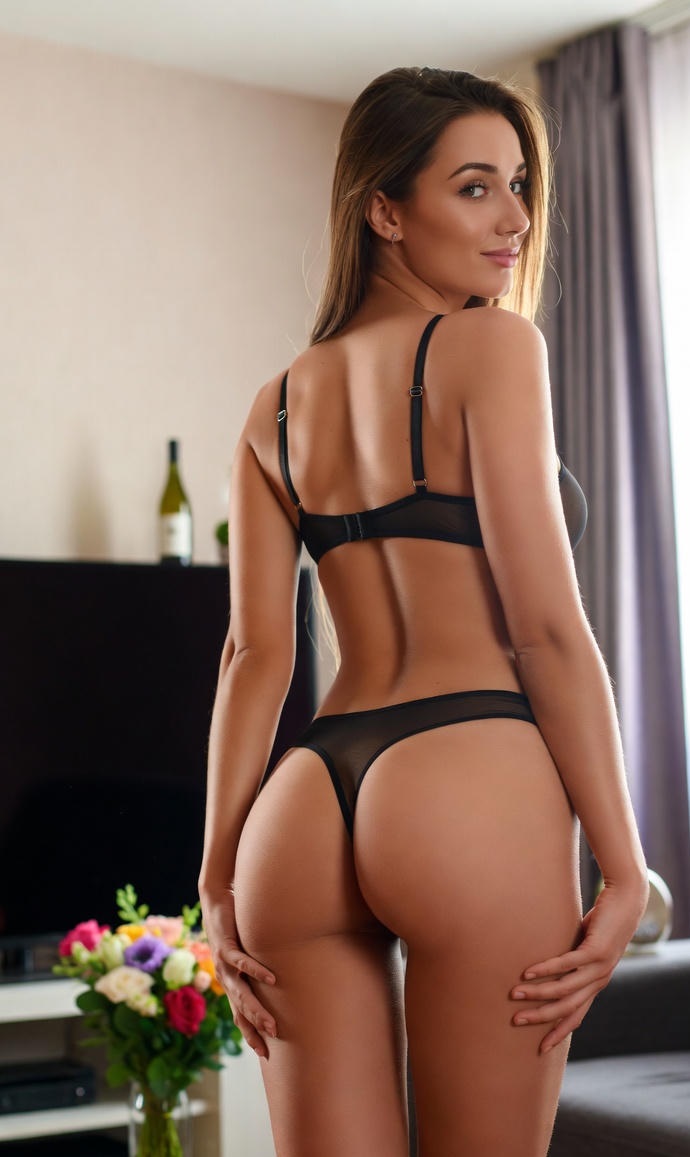
Explore how generative AI tools are revolutionizing adult digital art creation‚ photorealistic image synthesis‚ and dynamic visual content through advanced neural network models and AI-powered animation.
The intersection of AI image generation and AI-powered animation has opened unprecedented possibilities for creators‚ artists‚ and media professionals. With the rapid advancements in deep learning applications and generative adversarial networks (GANs)‚ today’s AI art studios can produce hyper-realistic visuals‚ animated portraits‚ and synthetic media that blur the lines between fiction and reality. Among the most transformative innovations is the emergence of adult AI photo generators—tools that leverage neural rendering and computer vision techniques to generate and animate adult-themed imagery with unprecedented detail and realism.
This article delves into how these technologies work‚ their creative applications‚ and the ethical considerations surrounding synthetic media and deepfake technology. Whether you’re an artist seeking to explore AI art trends 2024‚ a content creator looking to automate visuals‚ or simply curious about the capabilities of AI-generated media platforms‚ this guide provides a comprehensive overview of the tools‚ techniques‚ and future directions in this evolving field.
How Adult AI Photo Generators and Animation Tools Function
The magic behind AI image generation and AI-powered animation lies in sophisticated machine learning algorithms trained on vast datasets of images‚ videos‚ and text. These systems‚ often powered by neural network models‚ analyze patterns‚ textures‚ and movements to generate or modify visuals in ways that were once unimaginable.
Key Technologies Behind the Tools
- Generative Adversarial Networks (GANs): GANs pit two neural networks against each other—one generates images‚ while the other evaluates and refines them. This competitive process results in highly detailed and realistic outputs‚ including photorealistic AI art and animated deepfakes.
- Neural-Style Transfer: This technique allows users to apply the artistic style of one image to another‚ creating unique and dynamic visuals. While not exclusively for adult content‚ it can be creatively adapted for AI art customization in niche genres.
- Motion Capture and Video Synthesis: By integrating motion capture software with AI‚ tools can animate static images‚ creating lifelike movements and expressions. This is particularly useful for generating realistic facial animations and virtual human creation.
- Deepfake Technology: While often associated with ethical concerns‚ deepfake tools can also be harnessed for artistic purposes‚ such as generating AI-generated videos with customizable characters and scenarios. However‚ it’s crucial to approach this technology with synthetic media ethics in mind.
Photorealistic and Dynamic Outputs
The result of these technologies is photorealistic AI art that can be animated seamlessly. Whether you’re working with AI-generated characters‚ animated portraits‚ or synthetic human creation‚ the tools can produce outputs that appear almost indistinguishable from real footage. This level of realism is achieved through a combination of AI video generators‚ computer vision techniques‚ and deep learning applications that continuously learn and adapt to user inputs.
Creative Applications of Adult AI Photo Generators and Animation
The potential uses for AI art tools in adult digital content creation are vast and evolving. Here’s how these technologies are being utilized across different domains:
AI-Assisted Design and Customization
For artists and designers‚ AI-assisted creative tools can serve as powerful collaborators. These tools allow for:
- Customizable Characters: Generate AI-generated characters with unique features‚ poses‚ and expressions tailored to specific themes or narratives.
- Dynamic Visual Content: Create dynamic AI animations that respond to user prompts‚ enabling interactive and evolving visual stories.
- Style Transfer and Blending: Merge different artistic styles or aesthetic elements to produce one-of-a-kind visuals that push the boundaries of traditional adult content.
Automated Content Generation
Content creators can leverage automated content generation to streamline workflows and explore ideas quickly. For example:
- Quick Concept Visualization: Turn text prompts into AI-generated visuals in seconds‚ allowing for rapid iteration and experimentation.
- Scenario-Based Animations: Develop AI-generated videos that depict specific scenarios‚ from fantasy settings to realistic adult-themed narratives.
- Batch Processing: Generate multiple variations of a theme or character with minimal effort‚ ideal for artists looking to explore diverse creative directions.
Virtual Reality and Interactive Experiences
The integration of AI-powered animation with virtual reality avatars is creating immersive experiences. These tools enable:
- Customizable Avatars: Design virtual human creation with realistic textures‚ expressions‚ and movements that respond to user interactions.
- Interactive Storytelling: Develop AI-driven visual storytelling where users can influence the narrative through their choices‚ leading to unique and personalized experiences.
- Enhanced Realism in VR: Use photorealistic AI models to create environments and characters that feel lifelike‚ enhancing immersion in virtual worlds.
Synthetic Media for Entertainment and Education
Beyond adult content‚ synthetic media platforms are being used in entertainment‚ education‚ and marketing. For instance:
- Educational Simulations: Generate AI-generated animations to illustrate complex concepts in a visually engaging way.
- Marketing and Advertising: Create AI-generated visuals for ads that are highly customizable and tailored to specific audiences.
- Film and Animation: Use AI video generators to produce synthetic video production with realistic characters and environments‚ reducing the need for extensive physical sets or actors.
Ethical Considerations and Synthetic Media Ethics
While the capabilities of AI art tools are groundbreaking‚ they also raise important ethical questions. The rise of deepfake technology and synthetic media has sparked debates about authenticity‚ consent‚ and the potential for misuse. Here’s what creators and users should consider:
Consent and Authenticity
The creation of animated deepfakes or AI-generated characters that resemble real individuals without their consent can lead to privacy violations and misinformation. It’s essential to:
- Ensure that any generated content does not impersonate real people without permission.
- Use AI art customization to create original‚ fictional characters rather than replicating real individuals.
- Be transparent about the use of synthetic media in content‚ especially in professional or public settings.
Deepfake Risks and Countermeasures
The risks associated with deepfake concerns include:
- Disinformation: AI-generated content can be used to spread false information‚ manipulate public opinion‚ or harm reputations.
- Exploitation: There’s a potential for misuse in creating non-consensual content or blackmail material.
- Legal Issues: The creation or distribution of deepfakes can lead to legal consequences under laws governing defamation‚ privacy‚ and intellectual property.
To mitigate these risks‚ developers and users should:
- Adopt deepfake detection tools to identify synthetic content.
- Follow synthetic media regulations and industry guidelines.
- Promote deepfake awareness to educate users about the ethical implications of AI-generated media.
Synthetic Media Authenticity and Transparency
As AI-generated media consumption grows‚ so does the need for transparency. Users should:
- Clearly label AI-generated visuals as synthetic or AI-generated to distinguish them from real content.
- Encourage platforms to implement watermarks or metadata for AI art tools to track the origin of synthetic content.
- Support initiatives that promote synthetic media authenticity‚ such as standards for disclosing AI-generated content.
Getting Started with Adult AI Photo Generators and Animation
If you’re ready to explore the world of AI art platforms and AI-powered content creation‚ here’s how you can begin:
Step 1: Choose the Right AI Art Tools
Selecting the appropriate AI art tools depends on your specific needs. Consider the following features:
- Ease of Use: Some platforms are designed for beginners with intuitive interfaces‚ while others cater to advanced users with complex customization options.
- Output Quality: Look for tools that specialize in photorealistic AI art and AI-generated animations to ensure high-quality results.
- Customization Options: The ability to fine-tune characters‚ environments‚ and animations is crucial for creative freedom.
- Ethical Safeguards: Ensure the platform adheres to synthetic media ethics and provides tools for deepfake detection or content verification.
Step 2: Upload and Customize
Most AI art platforms allow you to:
- Upload reference images or start from scratch with text prompts.
- Adjust parameters such as lighting‚ pose‚ and expression to achieve the desired look.
- Generate multiple variations to explore different creative directions.
Step 3: Animate Your Content
Once you’ve generated your AI-generated visuals‚ you can:
- Use built-in animation tools to add movement‚ expressions‚ and interactions.
- Export your content in various formats‚ such as GIFs‚ videos‚ or high-resolution images.
- Integrate your animations into larger projects‚ such as videos‚ games‚ or interactive experiences.
Step 4: Explore and Experiment
The beauty of AI art tools lies in their flexibility. Don’t be afraid to:
- Experiment with different styles‚ themes‚ and techniques.
- Combine AI-generated content with traditional art or other digital tools.
- Stay updated on the latest AI art trends and advancements in deep learning applications to push your creative boundaries.
The Future of Adult AI Photo Generation and Animation
The field of synthetic media is evolving at a rapid pace‚ driven by advancements in AI-driven visual effects‚ computer vision techniques‚ and machine learning algorithms. Here’s what we can expect in the near future:
Enhanced Realism and Detail
As neural network models become more sophisticated‚ we can anticipate:
- Hyper-Realistic Portraits: AI-generated characters with even more lifelike textures‚ expressions‚ and movements.
- Immersive Environments: AI-powered video editing that can generate entire scenes with realistic lighting‚ physics‚ and interactions.
- Dynamic AI Animations: Characters that respond intelligently to their surroundings‚ enabling more interactive and engaging experiences.
Integration with Virtual and Augmented Reality
The fusion of AI art tools with virtual reality avatars and augmented reality will open new avenues for:
- Real-Time Customization: Users will be able to generate and animate characters on the fly within VR or AR environments.
- Enhanced User Engagement: Interactive experiences where AI-generated content adapts to user preferences and behaviors.
- New Creative Mediums: Artists will explore hybrid forms of art that combine physical and digital elements in innovative ways.
Ethical Frameworks and Regulations
As AI-generated media becomes more prevalent‚ so too will the need for:
- Clear Guidelines: Industry-wide standards for synthetic media ethics and deepfake detection methods.
- User Education: Programs to teach users how to recognize and responsibly use AI-generated visuals.
- Legal Protections: Policies that address deepfake legal issues and protect individuals from exploitation.
Democratization of AI Art Creation
The cost and complexity of AI art tools are decreasing‚ making advanced AI-powered animation accessible to a broader audience. This democratization will:
- Empower independent artists and creators to compete with larger studios.
- Encourage collaboration between humans and AI‚ leading to new forms of AI art collaboration tools.
- Expand the diversity of content‚ as more voices and perspectives enter the digital art space.
The advent of AI image generation and AI-powered animation has transformed the landscape of adult digital art creation‚ offering tools that were once the domain of high-end studios. From photorealistic AI art to animated deepfakes‚ these technologies empower creators to explore new frontiers of expression‚ storytelling‚ and visual innovation.
However‚ with great power comes great responsibility. As we embrace the possibilities of synthetic media platforms and AI art tools‚ it’s crucial to prioritize synthetic media ethics‚ deepfake awareness‚ and transparency. By doing so‚ we can harness the full potential of these technologies while mitigating risks and ensuring a positive impact on society.
Whether you’re an artist looking to experiment with AI art customization‚ a content creator exploring AI-generated media platforms‚ or simply curious about the future of digital art‚ the tools available today offer a glimpse into what’s possible. The key is to approach this technology with creativity‚ caution‚ and a commitment to ethical practices. As the field continues to evolve‚ the possibilities for AI-powered visual effects and dynamic AI animations are limited only by our imagination.
Ready to Explore Adult AI Photo Generation and Animation?
If you’re eager to dive into the world of AI-generated visuals and AI-powered content creation‚ many platforms offer free trials or sample generations. Upload a photo‚ provide a prompt‚ and watch as AI art tools transform your ideas into stunning‚ animated visuals.
Remember‚ the best way to learn is by doing. Start with simple experiments‚ explore different styles‚ and gradually refine your skills. As you become more comfortable with the tools‚ you’ll discover the incredible potential of AI art trends 2024 and beyond.
Stay informed‚ stay creative‚ and always prioritize ethical considerations as you embark on your journey into the exciting world of AI-generated media.